Tuned by Keith
Menu

ENGINE MANAGEMENT AND INTEGRATION

MoTeC
tuning guide.

Start with the ECU family and the software already in the car. I review the engine, installed package and integration requirements before agreeing on MoTeC calibration work.

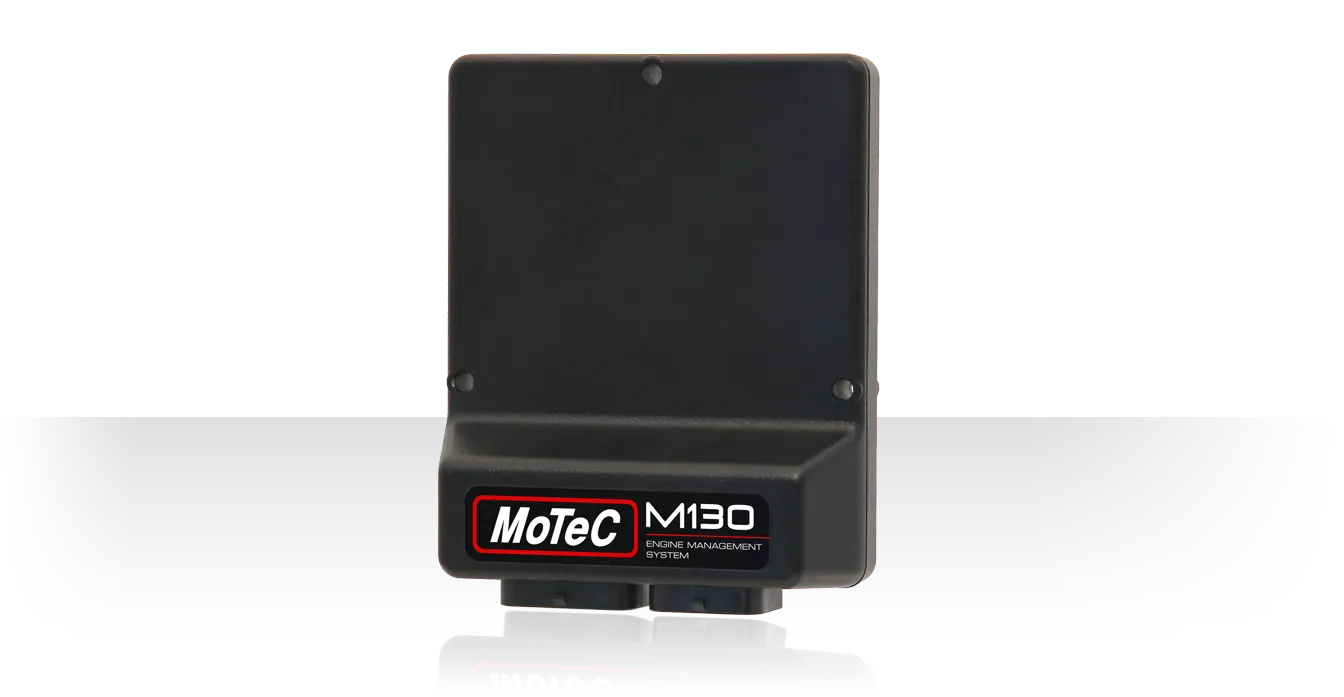
MoTeC M130 ECU showing its labelled case
MoTeC M130MoTeC M130 shown as a hardware example. Confirm the exact model and fitment for your project.Manufacturer photo and product details ↗

THE INSTALLATION COMES FIRST

The package matters as much as the ECU label.

Identify the installed system

Send the ECU model and software family. For M1, include the package name and version as well as the calibration. Older MoTeC systems use different applications, so an M130 product photo does not describe every MoTeC installation.

Separate calibration from development

Adjusting a supported package’s calibration is different from developing new package functionality. Explain the behavior you need and any current restrictions before assuming it is an available setting. Licensing, access and development scope need to be established first.

Document the connected systems

List the dash, power controller, throttle, sensors and CAN devices. Include wiring and configuration records where available. We need to understand which device controls each function and which measurements the calibration relies on.

Where it fits

For an existing MoTeC installation, identify the ECU and software package first. A system inherited with a car may have specific configuration, access or licensing requirements.

Software and logging

Start with the ECU family. M1 systems use M1 Tune and an appropriate software package; older MoTeC ECU families use their own applications. The package defines the functions and calibration available for an M1 installation.

For an M1 project, include the package name and version, current calibration and original logs. Tell me about any access restrictions or enabled options. You do not need to send account passwords in an inquiry.

Is M1 Build required for a tune?

M1 Tune is used to work with an existing package’s calibration. M1 Build is for developing package functionality and has separate development and licensing requirements. Routine calibration work should start by identifying the package already installed.

MoTeC software reference ↗ · M1 Build and development licensing ↗

What to send Keith

  • ECU model, firmware, software/package and enabled options.
  • Current configuration, access restrictions and available logs.
  • Engine, wiring, throttle and CAN-system documentation.

If you are unsure which system you have, start with a photo of the ECU label and the details you know.

Before your tuning session

Send what you already have before purchasing additional hardware or software. I will review the installation and agree the calibration or diagnostic scope with you.

MoTeC product and support information ↗

EXPERIENCE / PROJECT CONTEXT

Vintage Porsche: the street-cam 964 project.

My Porsche engine experience includes a MoTeC-controlled 964 with street-sized cams. This is distinct from the large-cam MaxxECU project. The project page explains the separate engine combinations without assigning an unverified ECU model or dyno figure.

Explore the street-cam MoTeC 964 →

The M130 shown above illustrates MoTeC hardware. It is not a claim that this was the ECU installed on the street-cam 964.

Make the session productive.

  1. Send the existing record. Include the ECU label, current tune and logs, engine specification, wiring information and a description of the goal or fault.
  2. Agree on the scope. We distinguish installation checks, first-start work, drivability refinement and dyno calibration. Hardware, software access and unresolved faults can change the plan.
  3. Prepare the vehicle. Resolve leaks, misfires and known mechanical concerns. Confirm fuel, battery condition and the logging equipment. Follow the vehicle preparation checklist before the appointment.
  4. Review the result. Keep the agreed final file and instructions. Let me know before changing the hardware, sensors or fuel afterward.

MoTeC planning questions.

Do I need to buy an M1 package before contacting you?

No. Send the system and project details first. If you already have a package, identify it; if not, describe the engine and required functions. The right next step depends on the hardware, intended use and available software.

Can you supply hardware as well as tune it?

I offer ECU sales and project packages. Send your engine, intended use and existing equipment so we can confirm the hardware, accessories and calibration scope before quoting. Product photos are examples, not promises of stock or fitment.

Can this be handled remotely?

That depends on the installation, the work needed and the available data. Send the project details first. An unresolved wiring or mechanical issue may require hands-on checks before calibration can progress.

Can I use a dyno I have arranged?

Yes, subject to coordination. Confirm the location, equipment, operator, schedule and scope with me before booking. Travel and in-person work require planning and are quoted for the project.

Plan the next step

Tell me about your car, the equipment already installed and what you want to improve. I can review the setup before you order a tune or buy more parts.

Compare ECU and tuning platforms →