THE INSTALLATION COMES FIRST
Plan the installation before chasing output.
Where it fits
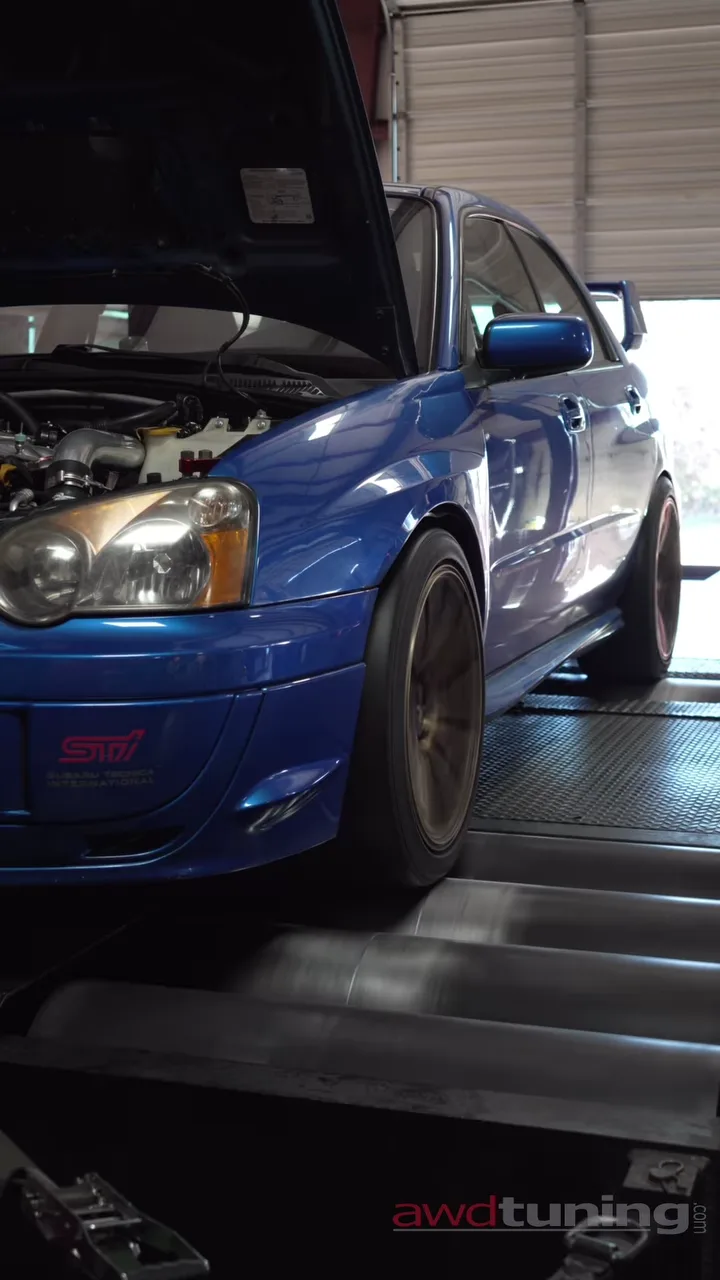
It can suit modified engines and conversions where the required inputs, outputs and control functions are matched to the build. My Haltech work includes Thomas’s STI.
See Thomas’s Haltech STI →
Software and logging
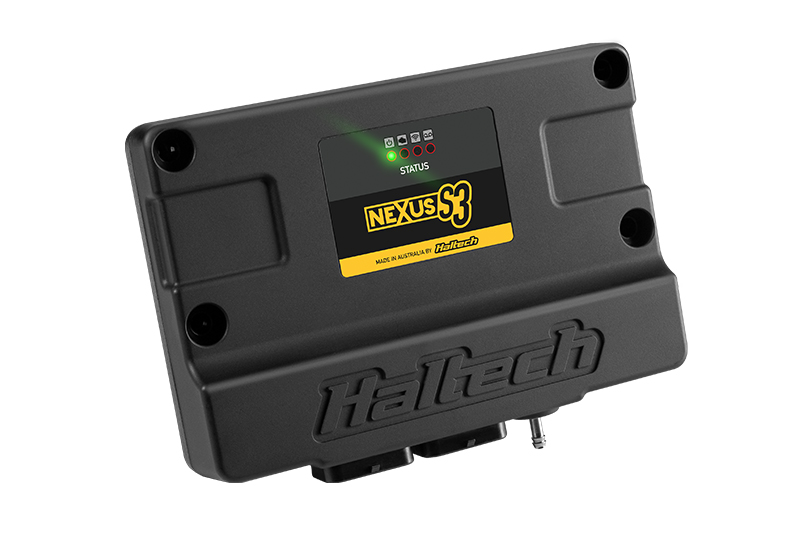
Identify the ECU model and the software currently used with it. Nexus uses NSP; some Elite installations also use NSP, while others retain an ESP-based setup. Older Haltech generations have their own software requirements.
Send the current map and a native datalog from the same setup, with the software version and any fault messages. Check the required transfer format with me before converting or trimming files.
Should I update before the session?
Ask first if the car is on an older software or firmware version. A software migration is a separate setup task; it should be planned with the existing map and installation rather than treated as routine session preparation.
Haltech software downloads ↗ · Haltech’s Elite-to-NSP information ↗
What to send Keith
- Exact ECU model, software version and calibration file.
- Engine and trigger details, injectors, coils and throttle type.
- Wiring information, sensor specifications and recent logs.
If you are unsure which system you have, start with a photo of the ECU label and the details you know.
Before your tuning session
Use the software and manuals for the exact ECU generation. Have installation issues resolved before a tuning session, and include any warning messages or recent changes when asking for help.
Haltech support and FAQs ↗
EXPERIENCE / PROJECT CONTEXT
Thomas’s STI: a complete turbo and engine combination.
Make the session productive.
- Send the existing record. Include the ECU label, current tune and logs, engine specification, wiring information and a description of the goal or fault.
- Agree on the scope. We distinguish installation checks, first-start work, drivability refinement and dyno calibration. Hardware, software access and unresolved faults can change the plan.
- Prepare the vehicle. Resolve leaks, misfires and known mechanical concerns. Confirm fuel, battery condition and the logging equipment. Follow the vehicle preparation checklist before the appointment.
- Review the result. Keep the agreed final file and instructions. Let me know before changing the hardware, sensors or fuel afterward.
Plan the next step
Tell me about your car, the equipment already installed and what you want to improve. I can review the setup before you order a tune or buy more parts.
Compare ECU and tuning platforms →