THE INSTALLATION COMES FIRST
Make the strategy match the car.
Where it fits
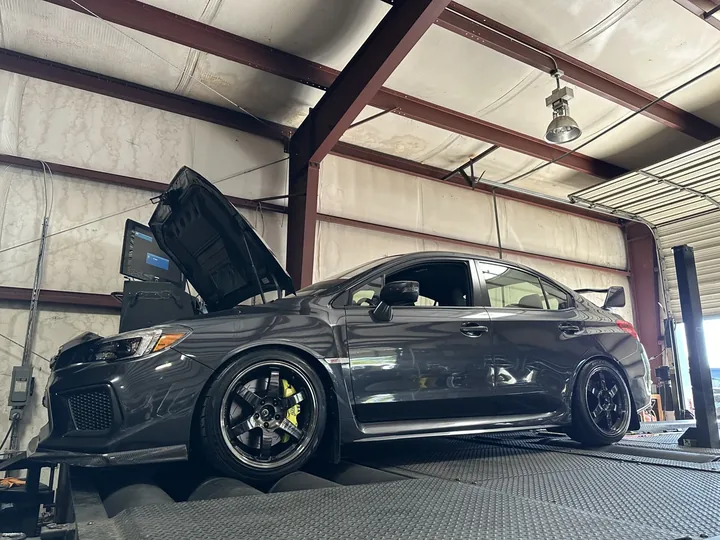
It is a route for developed engine projects, conversions and builds that need a different control strategy from the factory ECU. My Emtron projects include Lucas’s STI and Porsche engine builds.
See Lucas’s Emtron STI →
Software and logging
Emtune is used to inspect the configuration, tune the ECU and review data. It supports live PC logging while connected to the car, as well as retrieving supported onboard ECU recordings.
A useful review includes the working calibration and an original log that captures the symptom. For example, a cold-start problem needs data from the start, not just a screenshot after the engine has warmed up. I will specify the channels and test conditions.
Why include the sensor and wiring details?
The tune relies on correctly configured temperature, pressure, throttle and engine-position signals. A number on the screen is only useful if the input and calibration match the installed sensor.
Emtron configuration and logging reference ↗
What to send Keith
- ECU model, firmware and current calibration.
- Engine specification, crank/cam trigger system and wiring diagram.
- Sensor list, fuel system, throttle setup and CAN-connected devices, such as a dash or power controller.
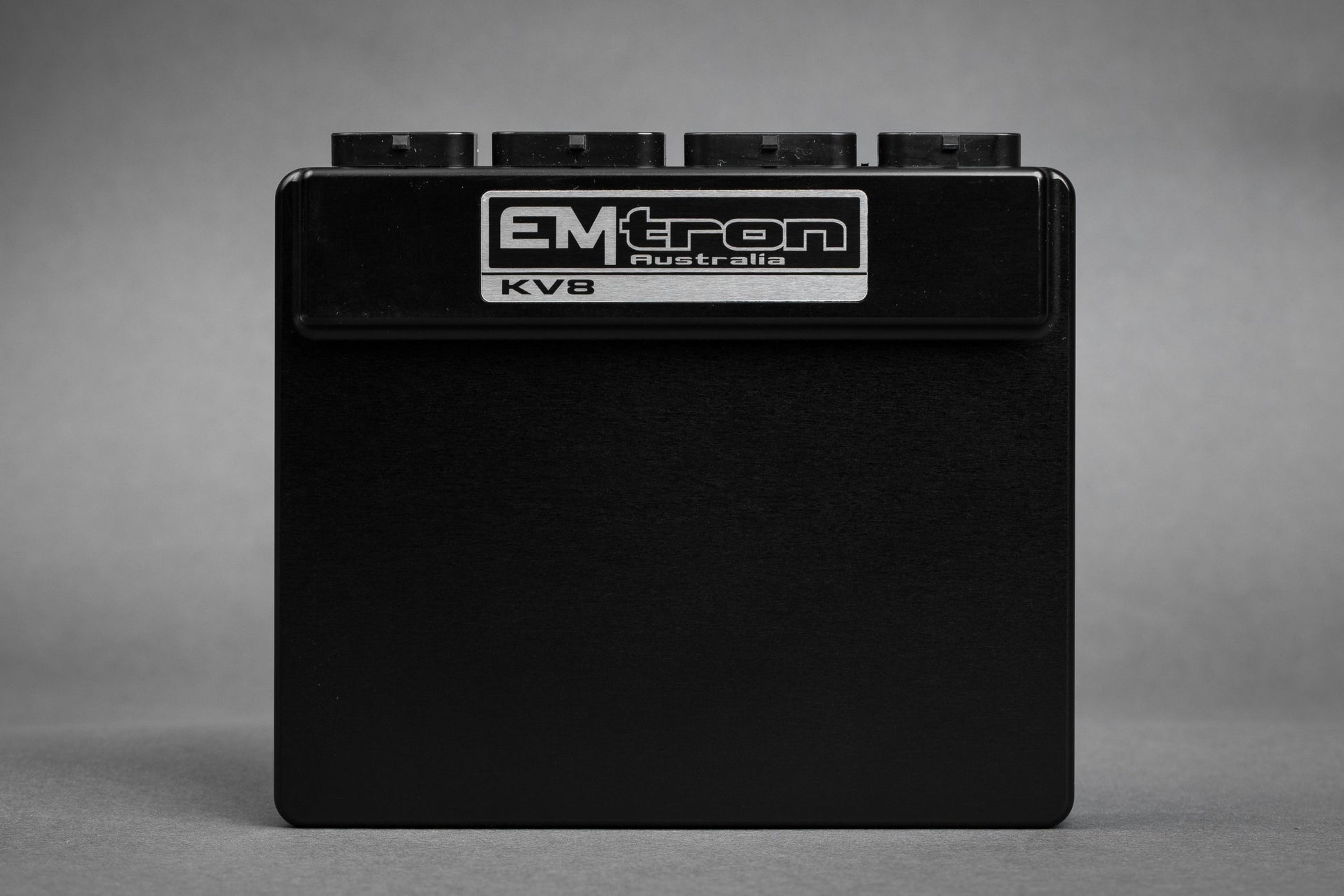
If you are unsure which system you have, start with a photo of the ECU label and the details you know.
Before your tuning session
Bring the current configuration and logs, plus a clear account of any starting, idle or driving issue. Emtron’s Emtune software and resource centre provide the platform-specific configuration and logging reference.
Emtron resource centre ↗
EXPERIENCE / PROJECT CONTEXT
Lucas’s STI: calibration around the driving experience.
Make the session productive.
- Send the existing record. Include the ECU label, current tune and logs, engine specification, wiring information and a description of the goal or fault.
- Agree on the scope. We distinguish installation checks, first-start work, drivability refinement and dyno calibration. Hardware, software access and unresolved faults can change the plan.
- Prepare the vehicle. Resolve leaks, misfires and known mechanical concerns. Confirm fuel, battery condition and the logging equipment. Follow the vehicle preparation checklist before the appointment.
- Review the result. Keep the agreed final file and instructions. Let me know before changing the hardware, sensors or fuel afterward.
Plan the next step
Tell me about your car, the equipment already installed and what you want to improve. I can review the setup before you order a tune or buy more parts.
Compare ECU and tuning platforms →